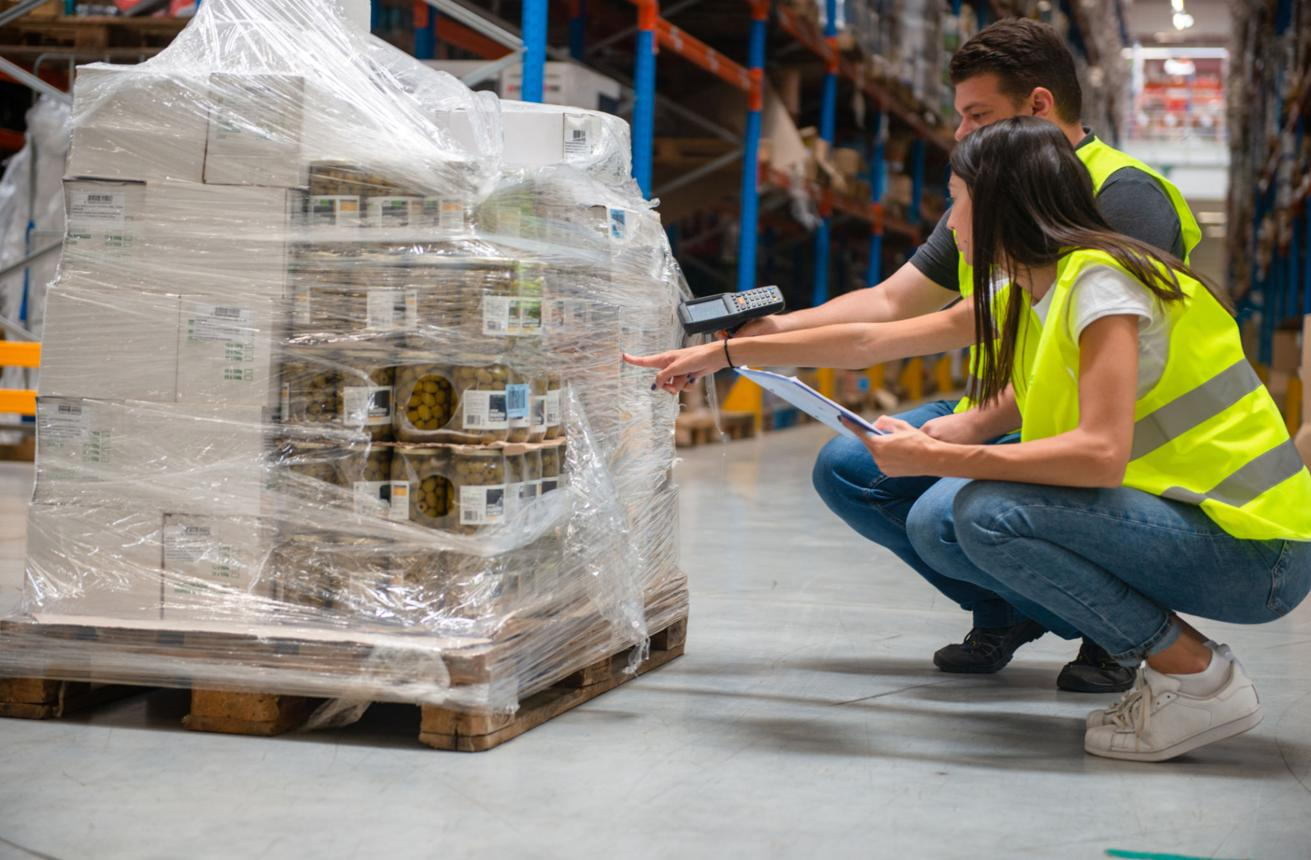
The liquidation resale market has grown rapidly, driven by the massive volume of online customer returns. Buying Amazon return pallets has become one of the most profitable sourcing strategies for e-commerce sellers, flea market vendors, and discount store owners.
When major retailers like Amazon handle millions of transactions daily, returns are inevitable. Managing these returns individually is costly, so retailers bundle items into liquidation pallets and sell them in bulk. This creates an incredible opportunity for entrepreneurs to buy inventory at a fraction of its original retail value.
This comprehensive guide covers everything you need to know about buying, processing, and profiting from Amazon return pallets while avoiding common pitfalls.
What Are Amazon Return Pallets?
Amazon return pallets are bulk assortments of items returned by customers or liquidated due to overstocking. Instead of processing, inspecting, and restocking every single return—which costs more in labor than the items more info are often worth—the inventory is consolidated into large pallets and sold to liquidation companies.
Why Do Items End Up in Liquidation Pallets?
Items wind up on liquidation pallets for several reasons, and they are not always broken or defective:
• Customer Returns: The buyer changed their mind, the item didn’t fit, or they ordered the wrong variant.
• Overstock Inventory: Seasonal inventory or products that didn't sell fast enough to justify warehouse storage fees.
• Damaged Packaging: The product inside is perfectly fine, but the box was dented or torn during transit.
• Open-Box Items: The customer opened the packaging but never actually used the product.
The Different Types of Liquidation Inventory
Before buying your first pallet, you must understand the inventory conditions. Liquidation stock is generally categorized into four main grades, each carrying a different level of risk and reward.
1. Manifested vs. Unmanifested Pallets
• Manifested Pallets: These come with a detailed inventory list (a manifest) showing exactly what is on the pallet, including product names, quantities, and estimated retail values. You pay a premium for this transparency, but it significantly reduces your risk.
• Unmanifested Pallets: These are a mystery box. You get a general category description (e.g., "Electronics" or "Home Goods"), but no detailed item breakdown. These are sold at a much lower cost, offering a higher potential profit margin alongside a much higher risk.
2. Overstock and Shelf Pulls
These are the holy grail of liquidation. Overstock items have never been purchased by a consumer. They are brand-new, retail-ready products that Amazon chose to liquidate to clear warehouse space. They generally require no cleaning, testing, or repairing.
3. Tested Working Comfort Grades
Some liquidation platforms test electronics or high-value items before sorting them into pallets. These items are verified to turn on and function properly, though they may show light cosmetic wear or miss original packaging.
4. Raw Customer Returns
This is unprocessed inventory taken straight from the return center. Expect a mixed bag. Some items will be brand new and untouched, while others may be heavily used, missing essential parts, or completely broken. Raw customer returns offer the lowest cost per item but require the most labor to sort and test.
Comparing Liquidation Inventory Categories
Inventory Type Risk Level Average Cost Expected Product Condition Labor Required
Overstock / Shelf Pulls Very Low High Brand New / Retail Ready None
Manifested Returns Low to Medium Medium to High Varied (Known Inventory) Moderate Sorting
Raw Customer Returns High Low Mixed (New to Broken) High (Testing & Cleaning)
Unmanifested Mystery Very High Very Low Completely Unknown High (Sorting & Research)
How to Buy Amazon Return Pallets Safely
The liquidation industry can be incredibly lucrative, but it is also filled with brokers selling junk pallets that have already been picked through. To protect your investment, follow these essential sourcing practices.
Choose Trusted Platforms
Never buy liquidation pallets from random sellers on social media marketplaces or unverified forums. Always source your inventory through established, reputable platforms. If you are looking for high-quality, reliable liquidation stock, you can source verified inventory directly from Premium Liquidation Pallets.
Factor in the Hidden Cost: Freight Shipping
The cost of the pallet itself is only part of your expense. Liquidation pallets are heavy and bulky, meaning they must ship via freight.
• Residential Delivery: Shipping to a residential address costs significantly more because the freight truck will need a liftgate to lower the pallet to the ground.
• Commercial Delivery: If you have a warehouse with a loading dock or a forklift, your shipping costs will be drastically lower.
• Local Pickup: Whenever possible, source from a liquidation warehouse close enough for you to pick up the pallet yourself with a truck or trailer. This completely eliminates freight costs and instantly boosts your profit margins.
Understand the "Cherry-Picking" Risk
Some unethical liquidation brokers practice "cherry-picking." They buy raw Amazon returns, open the pallets, extract the highest-value items (like smartphones, laptops, or designer goods) to sell individually, and then wrap the remaining low-value items back up to sell to unsuspecting buyers. Ensure you only buy from trusted sources that guarantee unsearched, raw pallets.
Step-by-Step Blueprint for Flipping Return Pallets
Once your pallet arrives, the real work begins. To maximize your return on investment (ROI), treat the process like a streamlined assembly line.
[Receive Pallet] ➔ [Manifest & Inspect] ➔ [Test & Clean] ➔ [Research & Price] ➔ [List for Sale]
Step 1: Manifest and Inspect
Do not just tear into the pallet blindly. Create a dedicated spreadsheet. As you unpack each item, log its name, brand, condition, and estimated resale value. This keeps you organized and helps you track your overall profitability.
Step 2: Clean and Repair
First impressions matter to buyers. Wipe away warehouse dust, remove old shipping labels, and clean up the product packaging. If an item is missing a simple component, like a power cord or a remote, consider buying cheap replacements in bulk on eBay to turn an unsellable item into a functioning, high-value listing.
Step 3: Test Every Electronic
Never list an electronic item as "New" or "Used - Like New" without testing it first. Plug it in, power it on, and verify all basic functions. If an item does not work, label it clearly as "For Parts or Repair"—there is still a robust market for broken electronics among hobbyists and repair shops.
Step 4: Choose the Right Sales Channels
Different products sell better on different platforms. Diversify your selling strategy to turn your inventory into cash as quickly as possible:
• Amazon (FBA/MFN): Ideal for brand-new overstock items that still match active listings on the platform.
• eBay: The best overall marketplace for used electronics, collectibles, parts, and unique items.
• copyright & Mercari: Perfect for clothing, shoes, cosmetics, and small fashion accessories found in lifestyle pallets.
• Facebook Marketplace & OfferUp: Excellent for large, heavy, or bulky items (like furniture, lawn mowers, or large appliances) where shipping costs would ruin the profit margin.
• Local Flea Markets or Garage Sales: Great for clearing out low-value items ($5 to $10 products) quickly to recoup your initial investment capital.
The Pros and Cons of the Liquidation Business
Like any business venture, flipping Amazon return pallets has clear advantages and distinct challenges.
The Benefits
• Incredible Profit Margins: Sourcing items at 10% to 20% of their original retail value gives you massive pricing flexibility.
• Endless Supply: Amazon returns are not stopping. The volume of available inventory grows every single year.
• Massive Product Variety: One single pallet can introduce you to entirely new, highly profitable niches you never would have thought to source individually.
The Risks
• Inconsistent Inventory: You cannot control what is on a raw pallet. You might get a home run pallet followed immediately by a dud.
• High Labor Demands: Sorting, testing, cleaning, photographing, and listing hundreds of items requires a serious commitment of time and energy.
• Storage Space Requirements: Pallets take up space. You need a garage, a large basement, or a dedicated commercial space to store and process inventory safely.
Frequently Asked Questions
Can anyone buy Amazon return pallets?
Yes. While some liquidation platforms require a registered business license or a resale certificate to purchase inventory, many platforms allow individual everyday buyers to purchase pallets for personal use or casual resale.
How much does an average Amazon return pallet cost?
Prices vary wildly based on the inventory category, size, and whether the pallet is manifested. A small, unmanifested pallet of general merchandise can cost as little as $200, while a highly coveted, fully manifested pallet of premium electronics can cost upwards of $2,000 to $5,000.
Are the items inside guaranteed to work?
No. Unless you are specifically buying certified "Overstock" or "Tested Working" categories, there is zero guarantee of functionality. Raw customer returns naturally contain a percentage of broken, defective, or incomplete items.
How do I calculate my potential profit before buying?
If you are buying a manifested pallet, look up the active "Sold" listings on eBay for the top 5 to 10 highest-value items on the list. If the predictable resale value of just those few top items covers the cost of the pallet and freight shipping, the remaining items on the pallet represent pure profit.
Do I need a resale certificate to buy liquidation stock?
It depends on the platform and your location. A resale certificate is not always mandatory, but having one allows you to buy liquidation inventory without paying local sales tax, saving you significant money over time.
Final Thoughts: Is Flipping Return Pallets Right for You?
Buying Amazon return pallets is a proven, highly scalable way to build a profitable resale business. However, it is not a hands-off, passive income scheme. Success in the liquidation space requires patience, organizational skills, and a willingness to do the physical legwork of sorting and testing inventory.
By choosing trusted suppliers, carefully calculating your freight shipping costs, and diversifying your sales channels, you can minimize your risks and capitalize on the massive economy of retail returns.
If you want to move forward with sourcing, please let me know:
• Your target budget for a first purchase
• Your preferred product categories (e.g., electronics, apparel, home goods)
• Whether you have access to a commercial loading dock or need residential delivery
I can help you build a customized sourcing plan based on your situation.